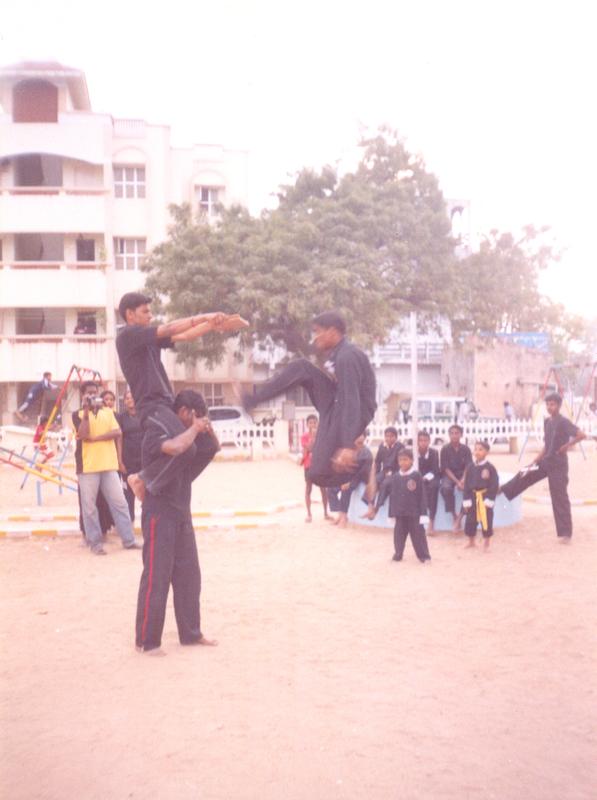
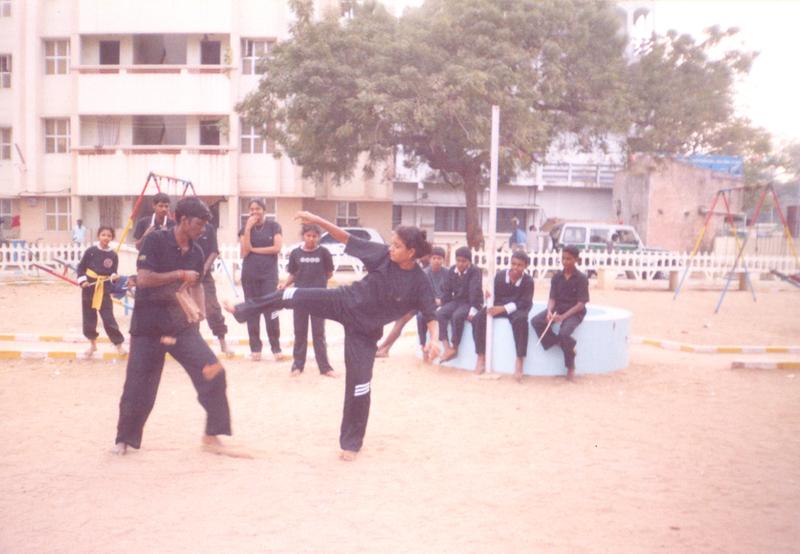
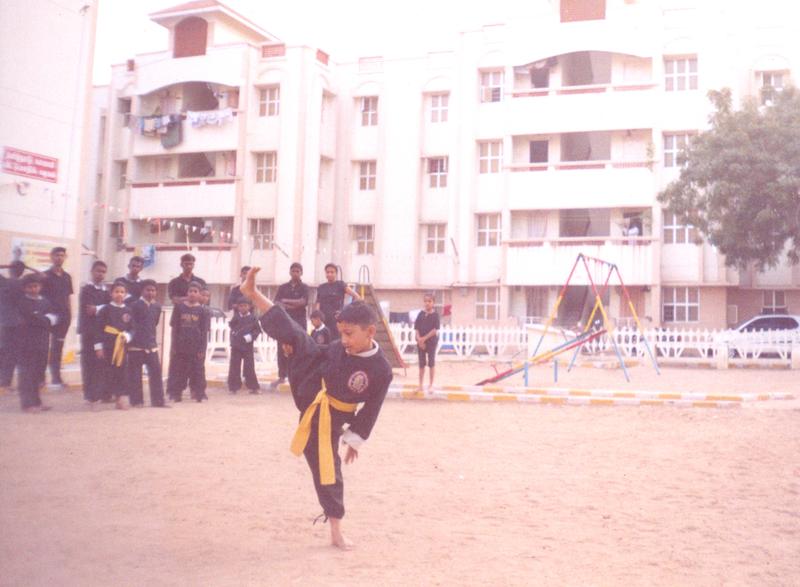
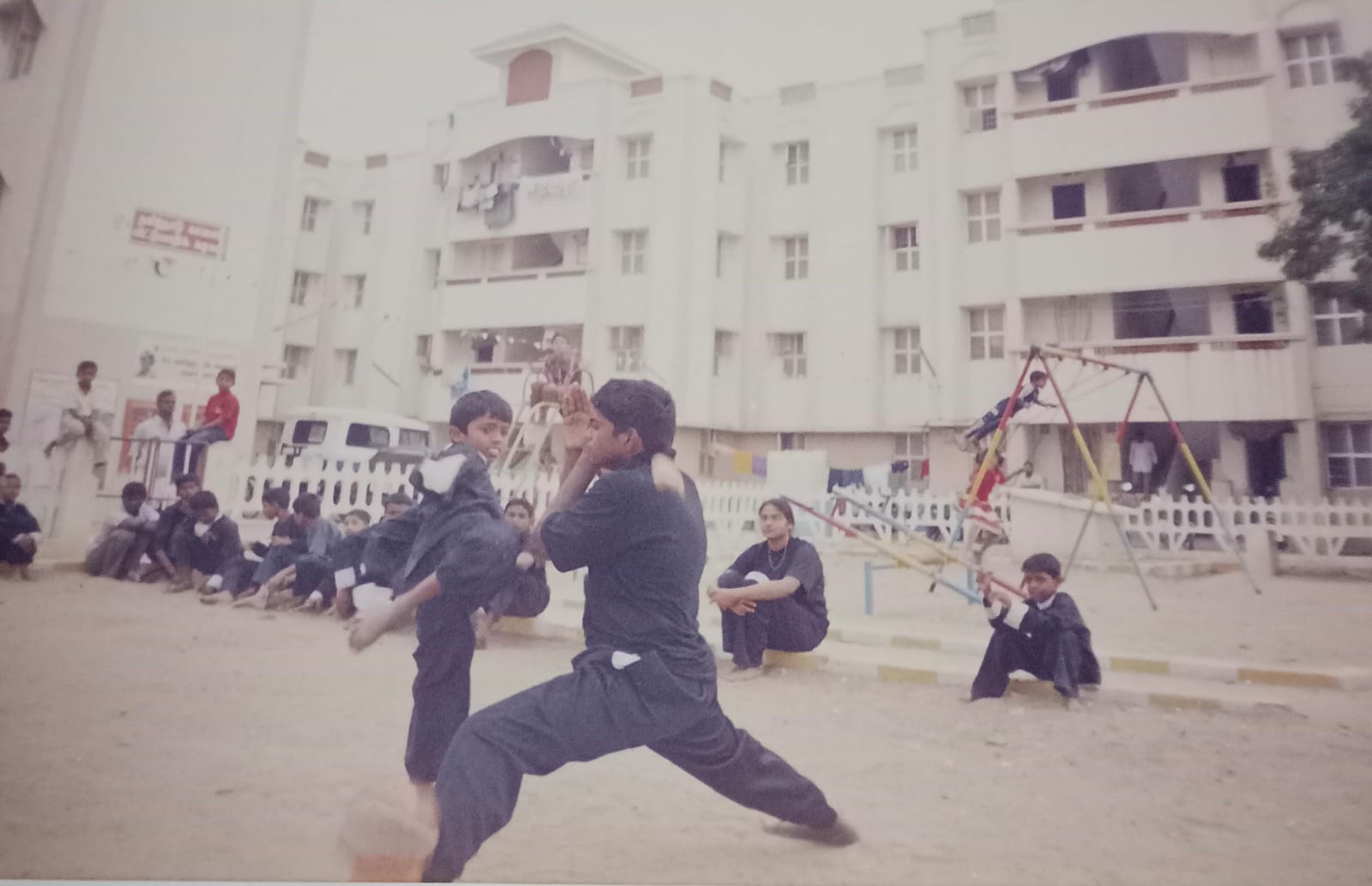
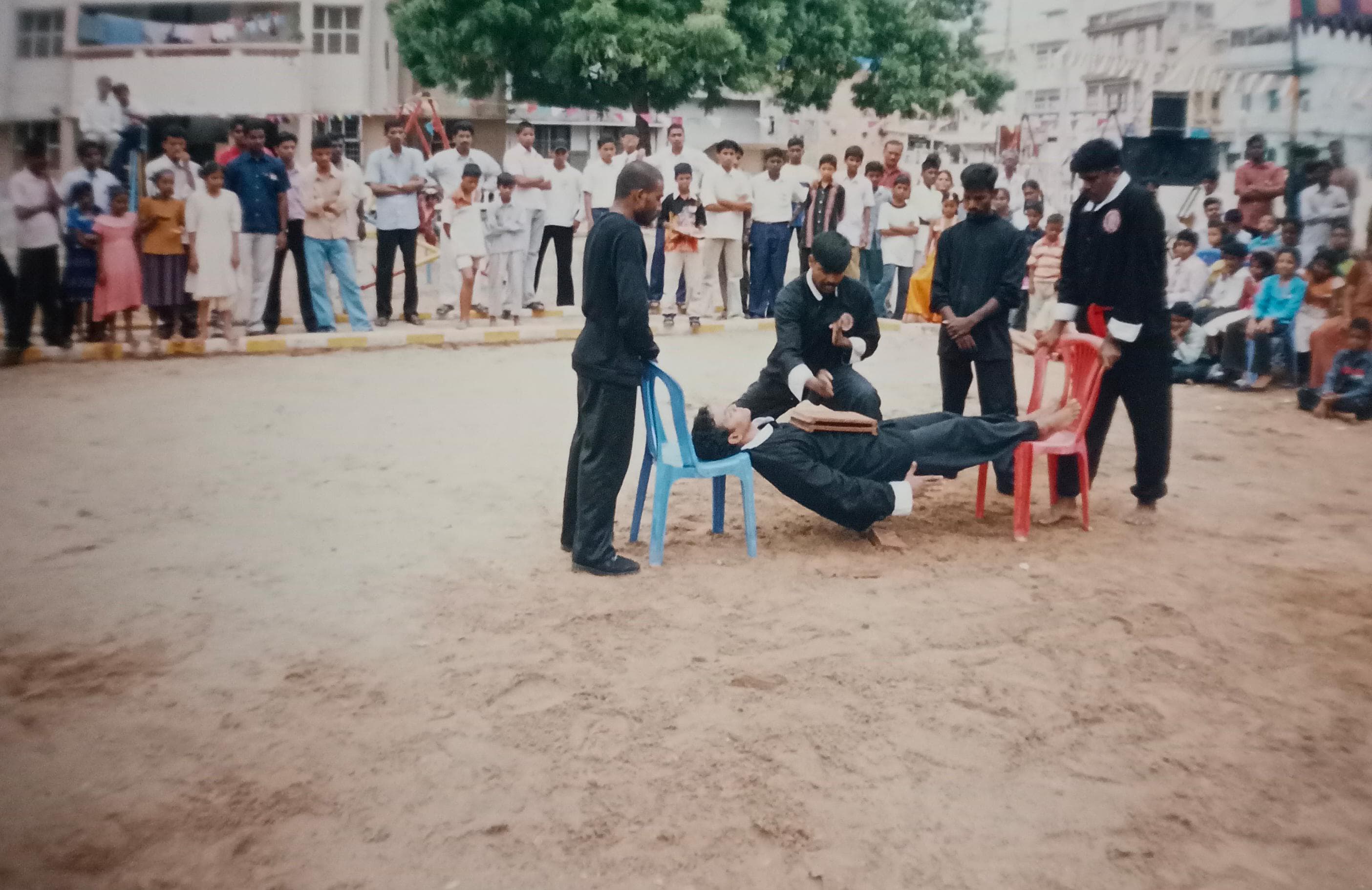
History of Thamizhar Martial Arts
When we think of martial arts, we usually think of China or Japan. Only recently, people have discovered that martial arts had its roots in India “somewhere”. The location of what part of India martial arts came from still remains a mystery to a lot of people.
Martial arts have been in existence on the Indian sub-continent for thousands of years practiced by ancient Tamils of Tamil Nadu, Tamil Eelam (Northeast Sri Lanka), Kerala, and the Southern portion of present Andhra Pradesh. The Malayalam language in Kerala only separated from Tamil as its own language during the 8th century A.D. In Andhra Pradesh, the southern half of that state spoke Tamil, while the northern part spoke Prairie, before the language of Telungu had formed it’s own language in that state. In Sri Lanka, the whole island was Tamil up to the 3rd century B.C. before the arrival of a group of exiles from Bengal penetrated the island. They settled in the Southern and Western and Southern parts of the island. Their offspring later became the present day Sinhalese, which their language is a mixture of Tamil, Pali (from Bengal area), and Sanskrit.
The Indian sub-continent was once connected with Madagascar of East Africa and Australia by the sunken Lemurian continent of the Indian Ocean. On the African continent itself are numerous fighting styles some also in forms of dances which resemble various Kung-Fu kicks, leaps, and maneuvers. In Brazil, there is a martial art called Capoeira. It is a fighting style in a form of a dance brought to South America by slaves along with the Yaruba religion of West Africa. These ideas of combat must have crossed from both Africa and Australia through Lemuria to the Indian sub-continent which may have had an influence on the scientific Tamil martial arts thousands of years ago.
Long ago, animal fighting styles were imitated by pre-historic man which was a system for survival. The first weapon used was the stick which was an extension of the arm. Various weapons were later invented during the Stone and Iron Ages. At the turn of the 6th century A.D., martial arts spread from Southern India to China by a Tamil prince turned monk named Daruma Bodhidarma. From China, martial arts have spread to Korea & Japan. In South East Asia martial arts was introduced during the naval expansion of the Chola and Pallava Empires of the Tamil Country between the 2nd and 12th centuries A.D.
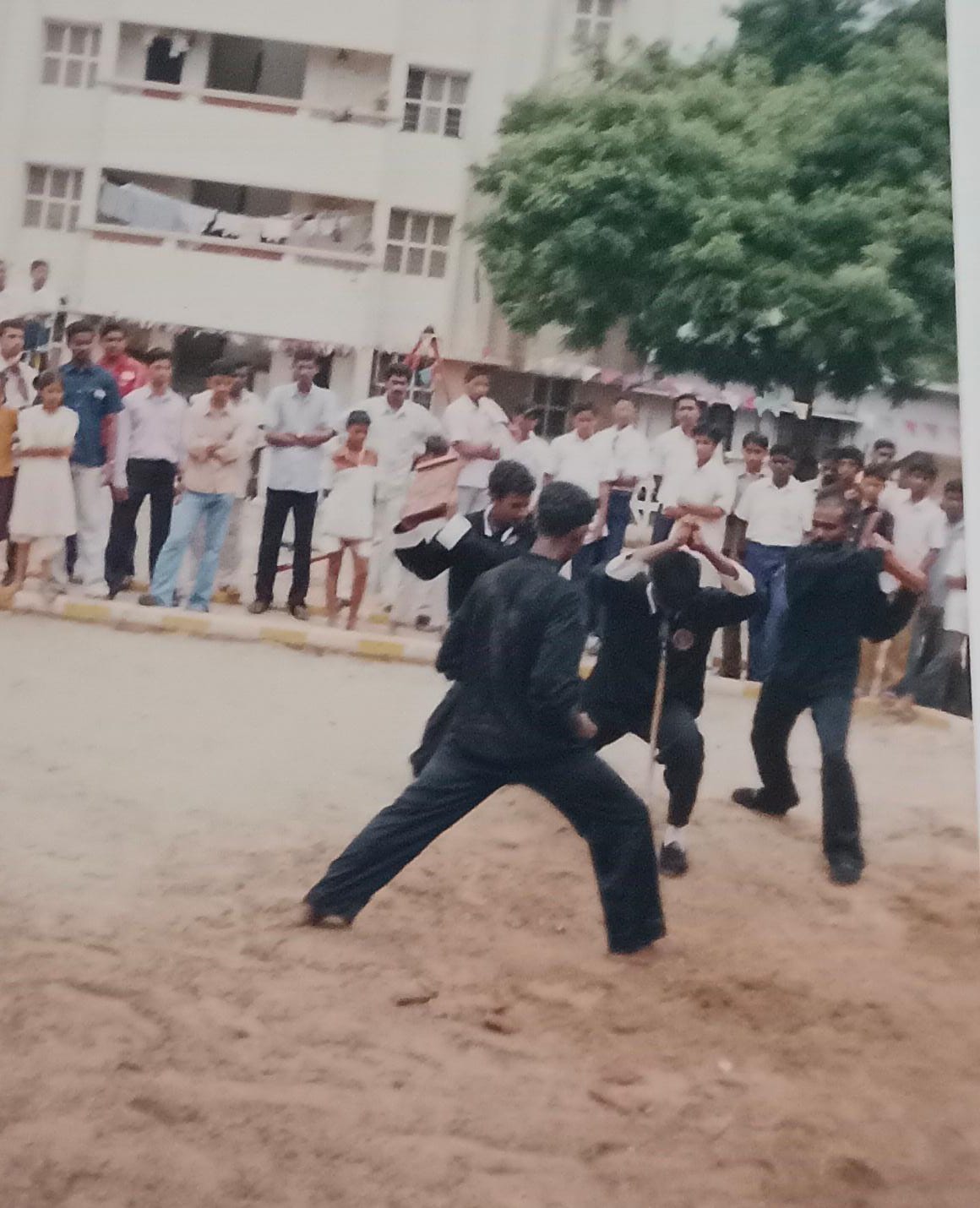
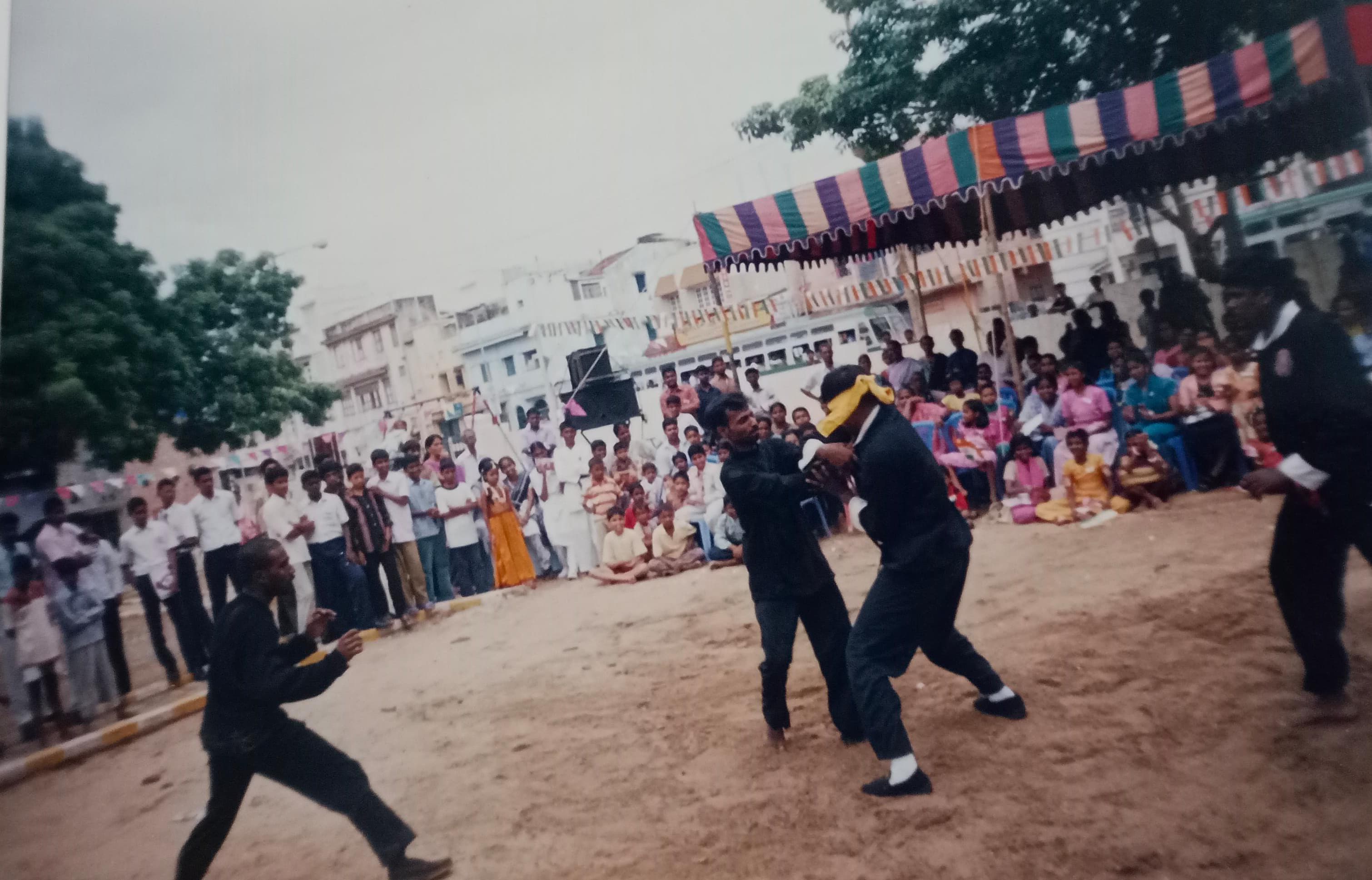
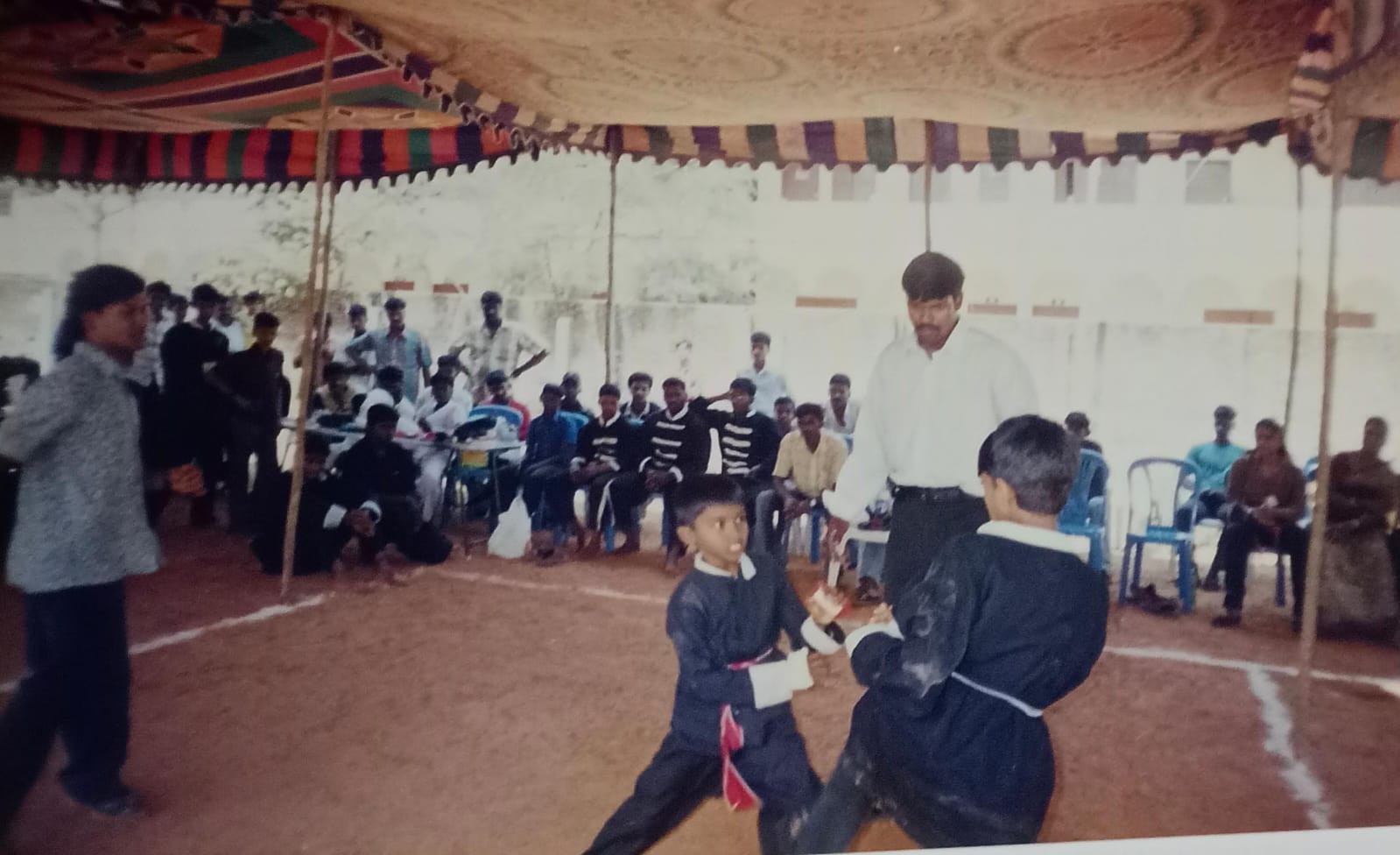
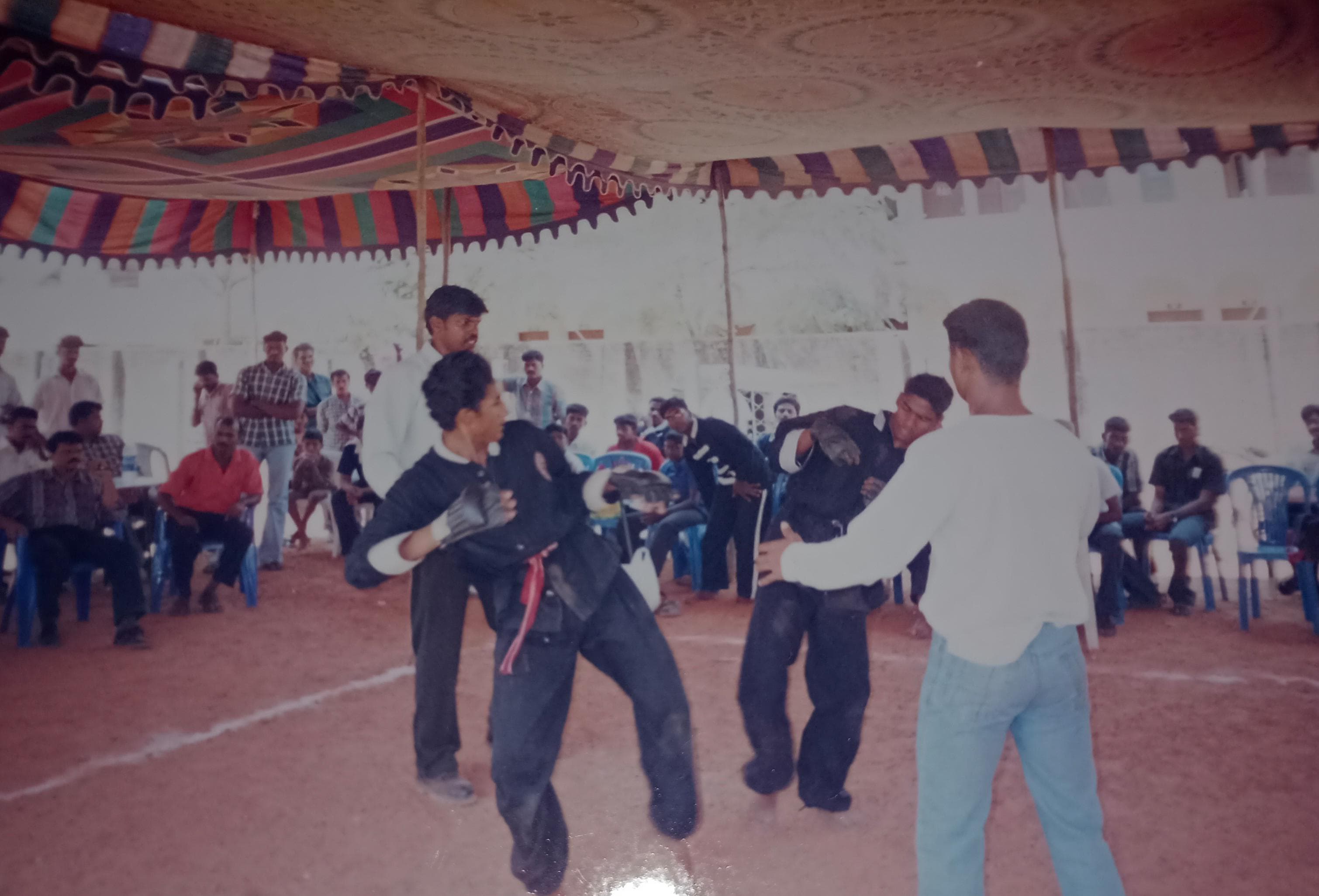
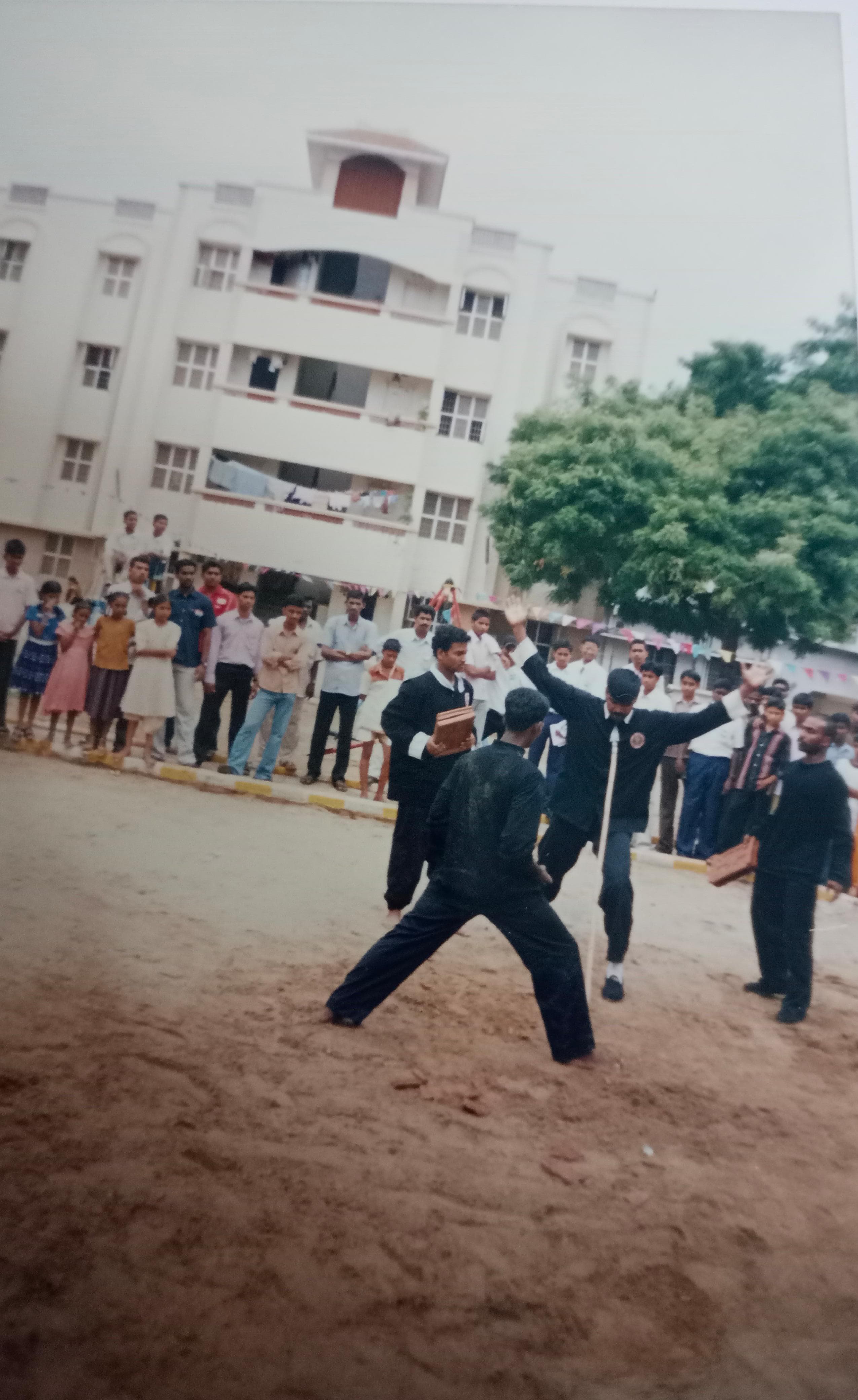
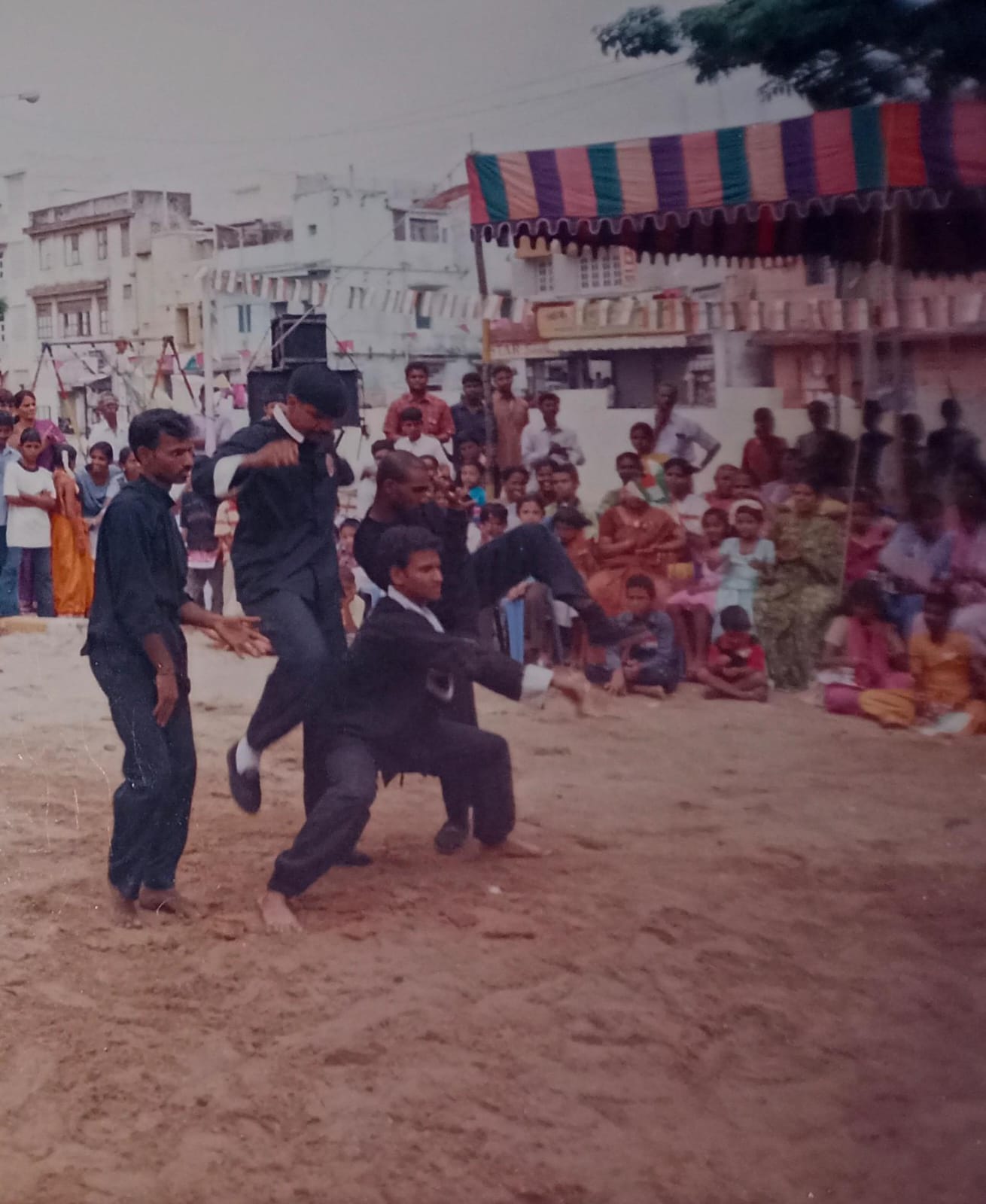
In the Tamil country, the earliest martial arts known were Varma Kalai (pressure point attacks – now its famously known us Tai Chi or Dim Mak), Kuttu Varisai (hand to hand combat – now its famously known us Kung Fu, Karate, Muay Thai & etc. ), Malyutham (wrestling), Silambam (staff and weapons fighting – now its famously known us the Filipino arts of Arnis, Kali, and Escrima), Adithada - now its famously known us kickboxing, MMA).
Martial arts can also be seen in the classical dance of Bharatha Natayam. Through its rhythmic movements one can see a close resemblance to the stances, blocks, and strikes in martial arts. There is also a close affiliation to Yoga in the stretching and meditating exercises of almost every fighting art.
Daruma Bodhidarma:
Daruma Bodhidharma (Chinese: Ta Mo; Japanese: Daruma) was the third child of the Pallava king Sugandan from Kanchipuram, Tamil Nadu. At birth he was born with a breathing disorder and was banished by his family due to the evil practice of caste system introduced by the Indo-Aryans who had migrated from Persia (present day Iran). He was adopted and trained at birth in breathing exercises and combat, namely in the arts of Varma Kalai and Kuttu Varisai. Bodhidarma also studied Dhyana Buddhism and became the 28th patriarch of that religion.
When his master passed away, he wanted to spread his apprenticeship to other countries and moved to China. After having met emperor Wu-Di of the Liang dynasty, he settled down in the Shaolin Monastery, which is situated in the province of Henan (northern China). In the monastery, Bodhidharma lived ascetically and by meditating for 9 years developed Ch'an Buddhism (Japanese: Zen Buddhism).
When he taught Ch'an Buddhism, which contains elements of Dhyana Buddhism and Taoism, he realized that his apprentices did not have the mental and physical shape to really meditate, or to defend themselves from bandits. That's why he developed certain gymnastics and breathing techniques. Bodhidarma’s "muscle exercises" were surely influenced by his experiences with his experience in the Tamil martial arts. The "muscle exercises" and the "18 hands of lohan", which were developed later on, are however the basis for nowadays Shaolin Kempo, otherwise known as Kung Fu.
Bodhidarma also introduced the healing art of Varma Chuttiram and herbal medicines from the Tamil country which evolved into Acupuncture, Tai Chi Chuan, Qi Gong, and Chinese medicine of today.
Varma Kalai and Kuttu Varisai:
Both Varma Kalai and Kuttu Varisai combined make up a deadly fighting art. Varma Kalai (also known as Marma Adi in Kerala) is the art of dealing with vital pressure points of the human body. The Chinese arts of Tai Chi (healing touch) and Dim Mak (death touch) are very close to Varma Chuttiram (healing touch and remedies) and Varma Kalai. In Varma Kalai one can heal, maim or even kill someone depending on what part of the body is hit and how much pressure is applied.
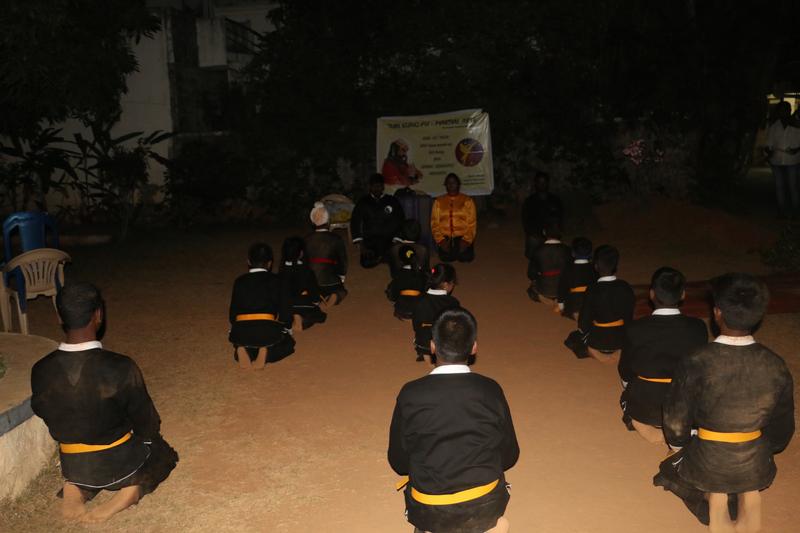
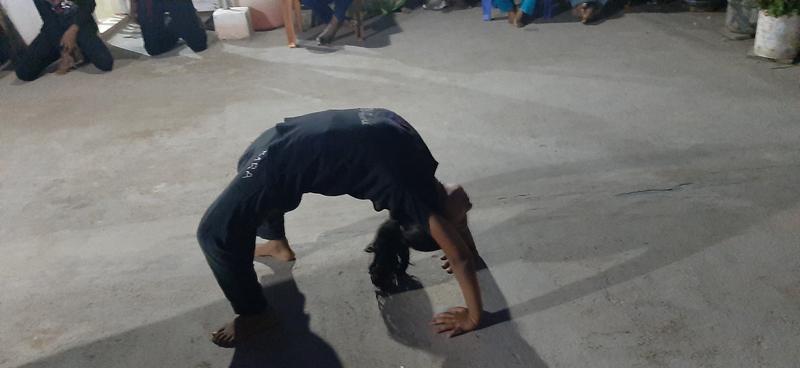
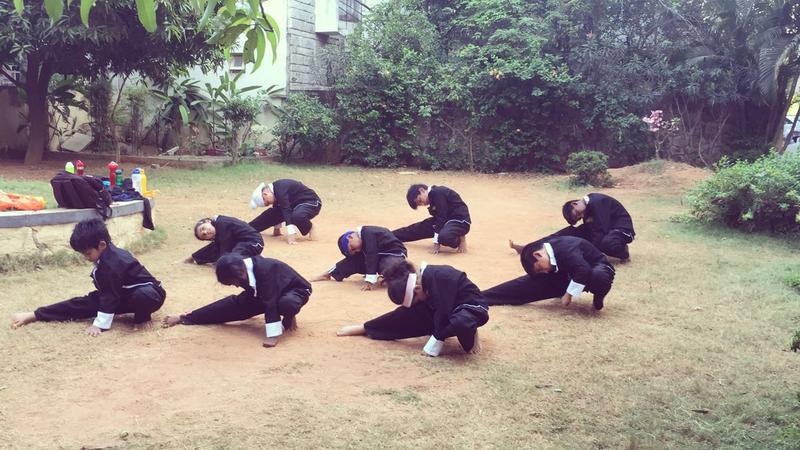
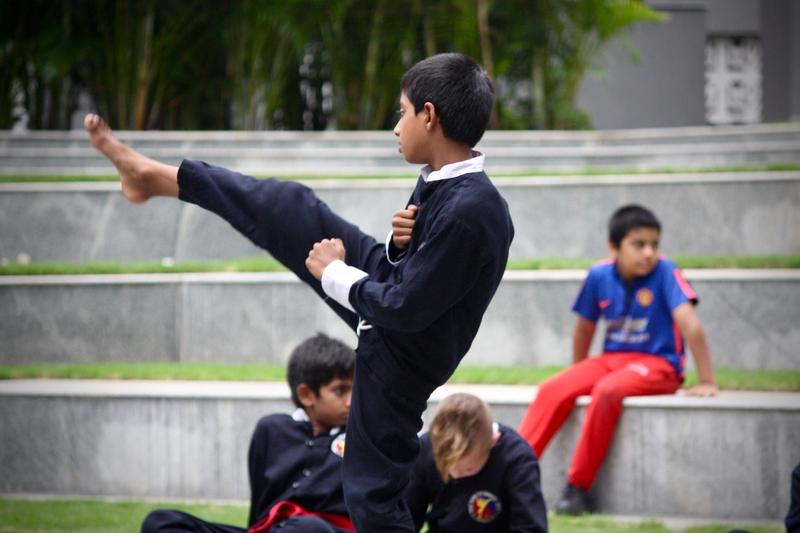
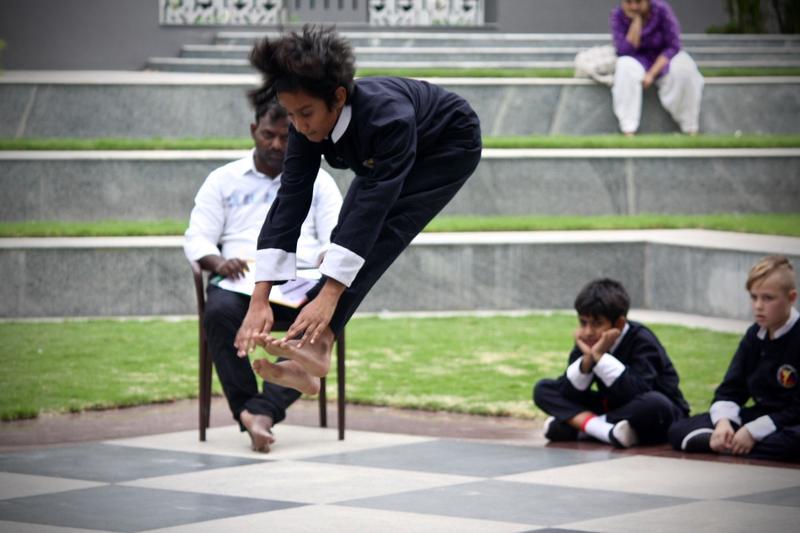
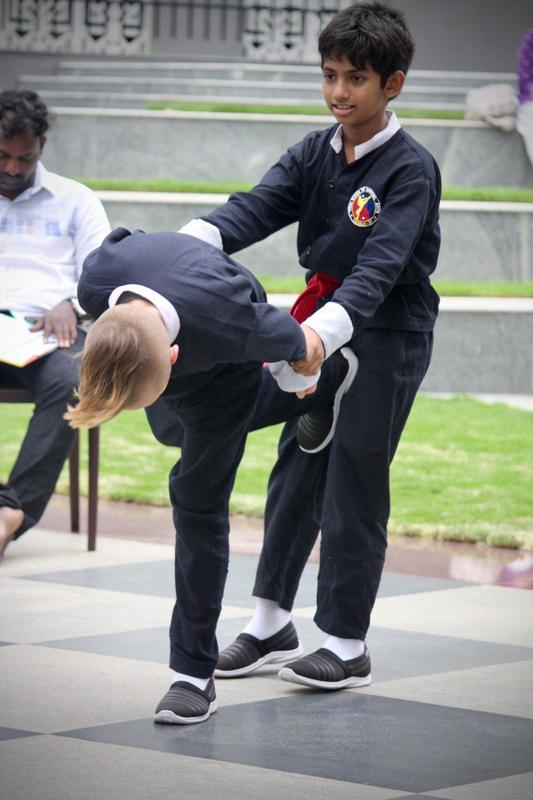
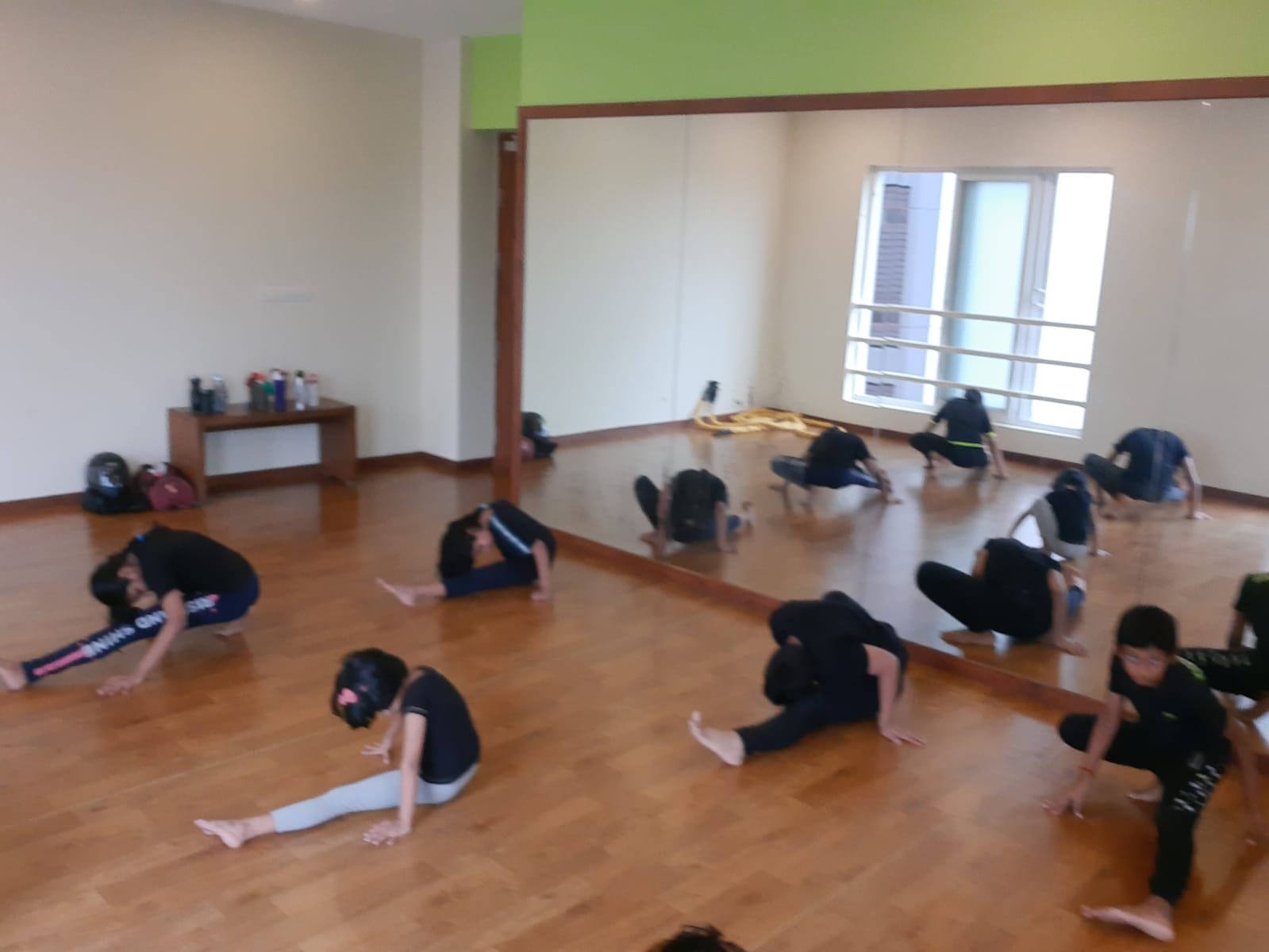
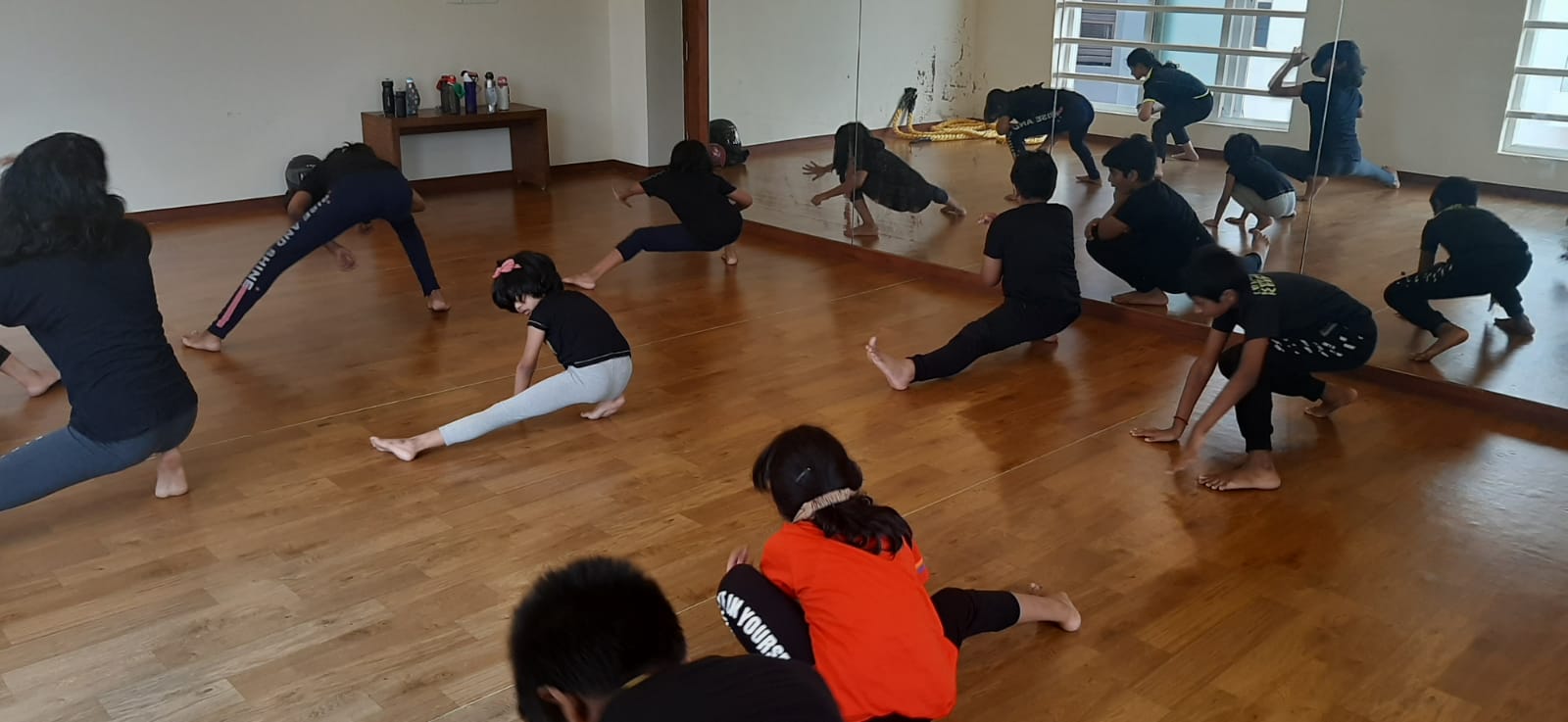
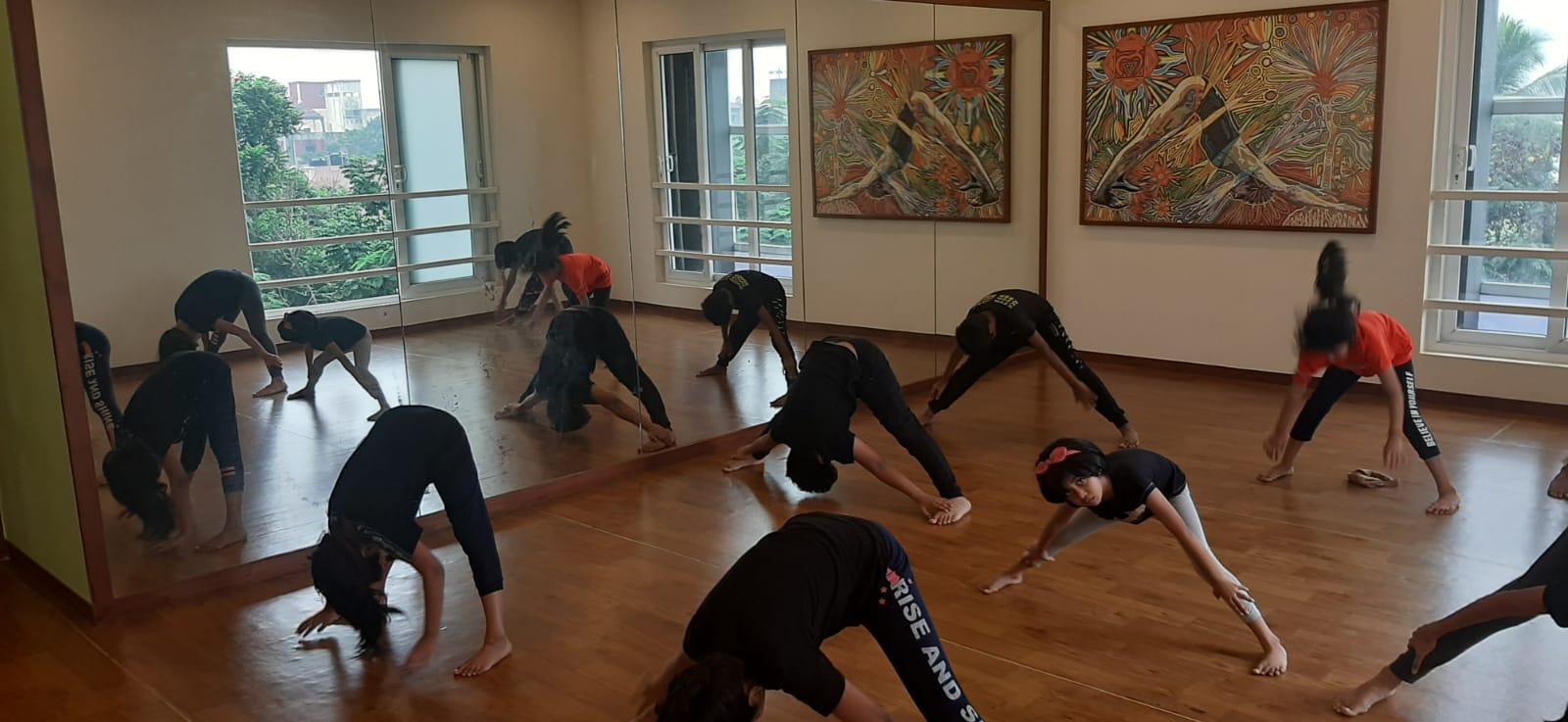
In Kuttu Varisai, gymnastic, stretching (yoga), and breathing exercises are conducted before training. In combat, almost every part of the body is used such as the fists, elbow, feet, knees, etc. Various different animal styles such as the tiger, elephant, snake, eagle and monkey are used. All these styles include posture, grappling, throws, hits, and locks.
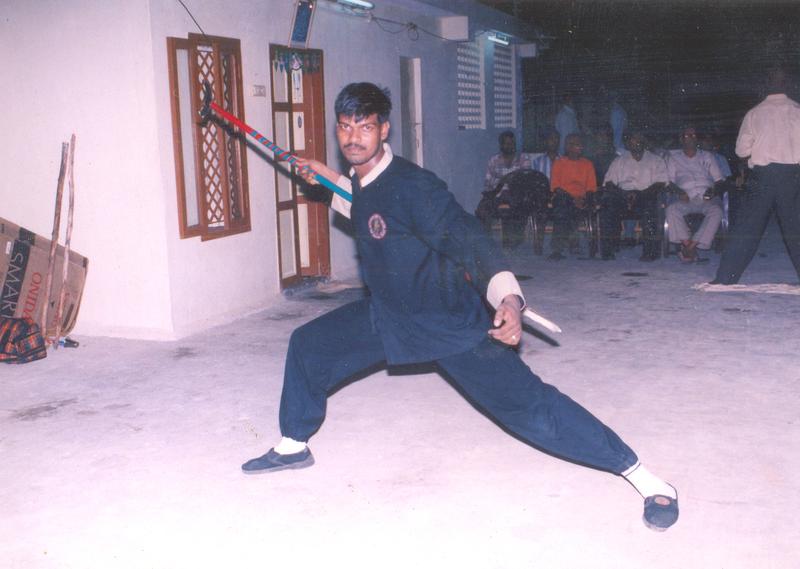
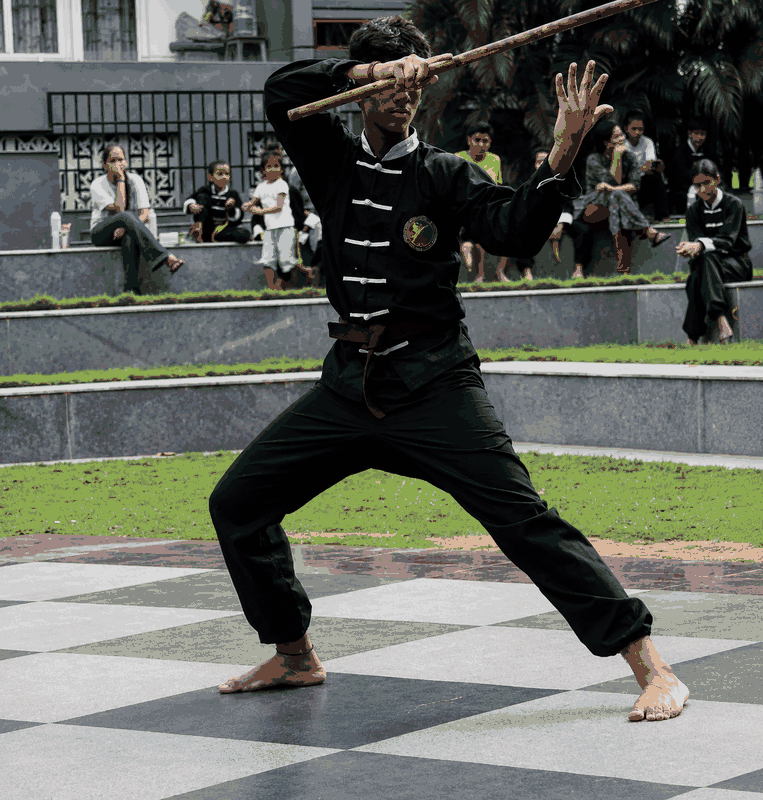
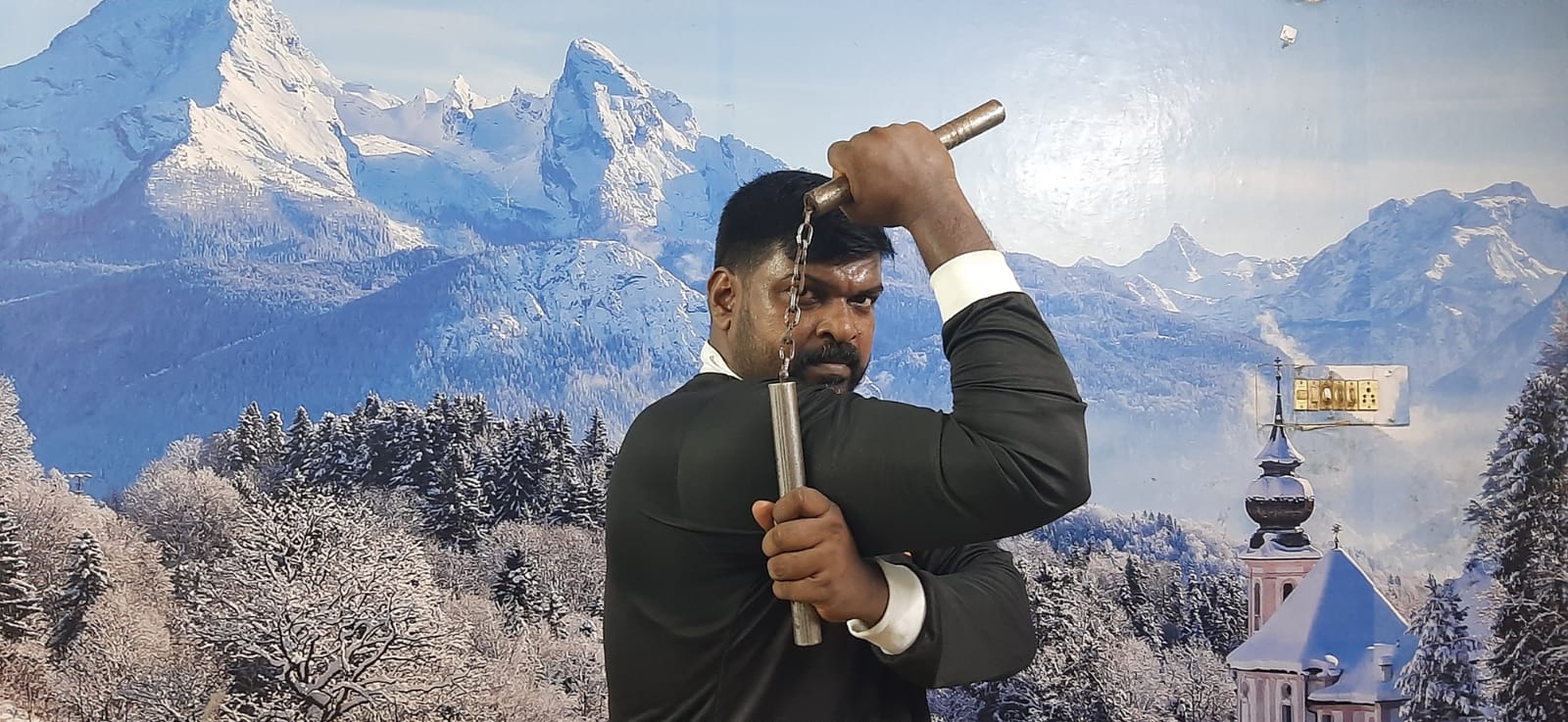
There are a huge variety of weapons used in this fighting system which can easily be seen in many Chola bronze statues of various deities. Some resemble those used by the gladiators of ancient Rome. Weapons include the trident, sticks (kali or kaji) (short, long, or double sticks), swords (val) and shield, double swords, daggers (kuttuval) (simple or double), knuckle duster (kuttu katai), and whips with several flexible and metallic blades (surul pattai).